Compute, chips, data centers, cloud, AI energy, open-source infrastructure
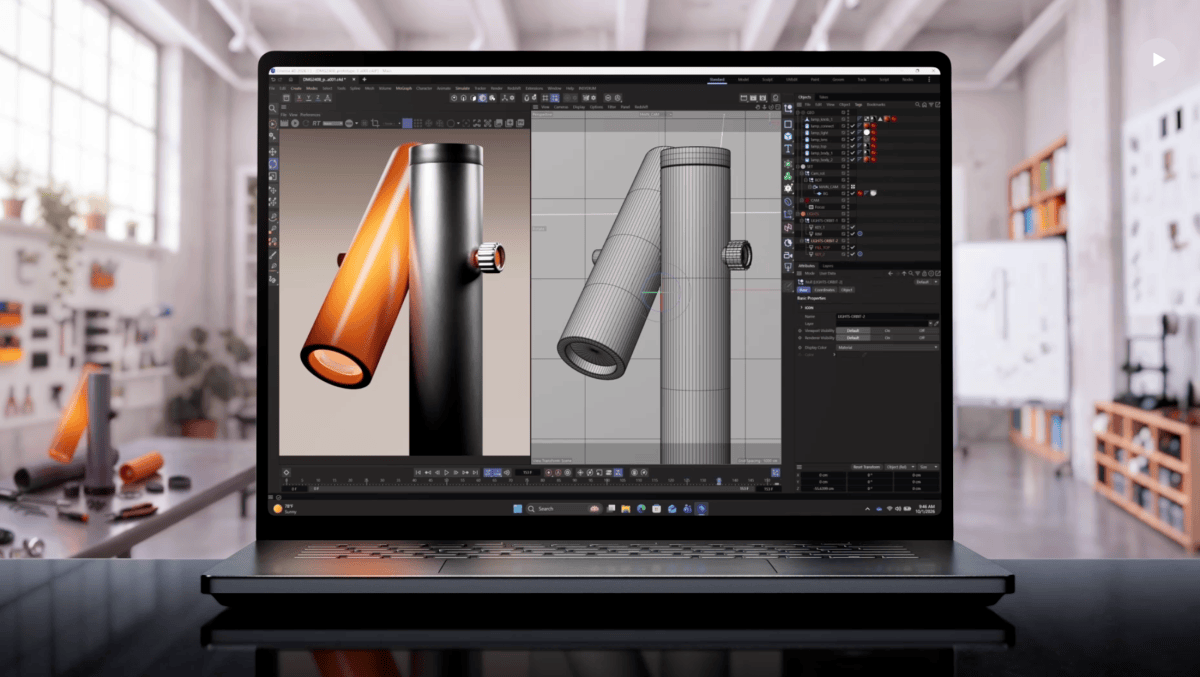
Microsoft has revealed the specifications and price for its Surface Laptop Ultra, which operates on Nvidia chips. This device is designed to run AI models and autonomous systems. This launch marks a significant step in enhancing cloud computing and AI capabilities. The new laptop features advanced processing capabilities, making it suitable for running complex applications. It leverages Nvidia's cutting-edge technologies, enabling high performance in data processing. This launch comes at a time when demand for AI-capable computers is increasing.
AMD plans to significantly increase its chip supply in 2027, as stated by CEO Lisa Su. She confirmed that the company has successfully ramped up supplies in 2026 and will expand production to meet the rising demand for AI technologies. Su highlighted that one of her goals for visiting Taiwan is to ensure AMD's supply chain can boost the production of CPUs and GPUs. She met with Foxconn and is set to discuss partnerships with TSMC to secure local collaborations.
The US government plans to allocate approximately $4.2 billion to Vistra to increase electricity production from its existing nuclear reactors amid rising energy demand from data centers. This funding aims to support the uprates of current nuclear reactors instead of building new ones, allowing for additional capacity to be added more quickly and at a lower cost. Data centers and AI models require vast amounts of electricity, with projections indicating that electricity consumption in the US will rise by 0.9% to 1.6% annually until 2050.
Meta has announced Muse Gadgets, an open-source project that allows hobbyists to build AI hardware using ESP32 boards. The team has also produced 5,000 units of the "Muse Home Link," a USB-C device designed for smart home control. This open-source approach helps Meta understand which hardware form factors are most desired by users. This initiative reflects a growing trend of integrating AI into home devices, opening new avenues for hobbyists and developers in the AI space and fostering innovation in the field.
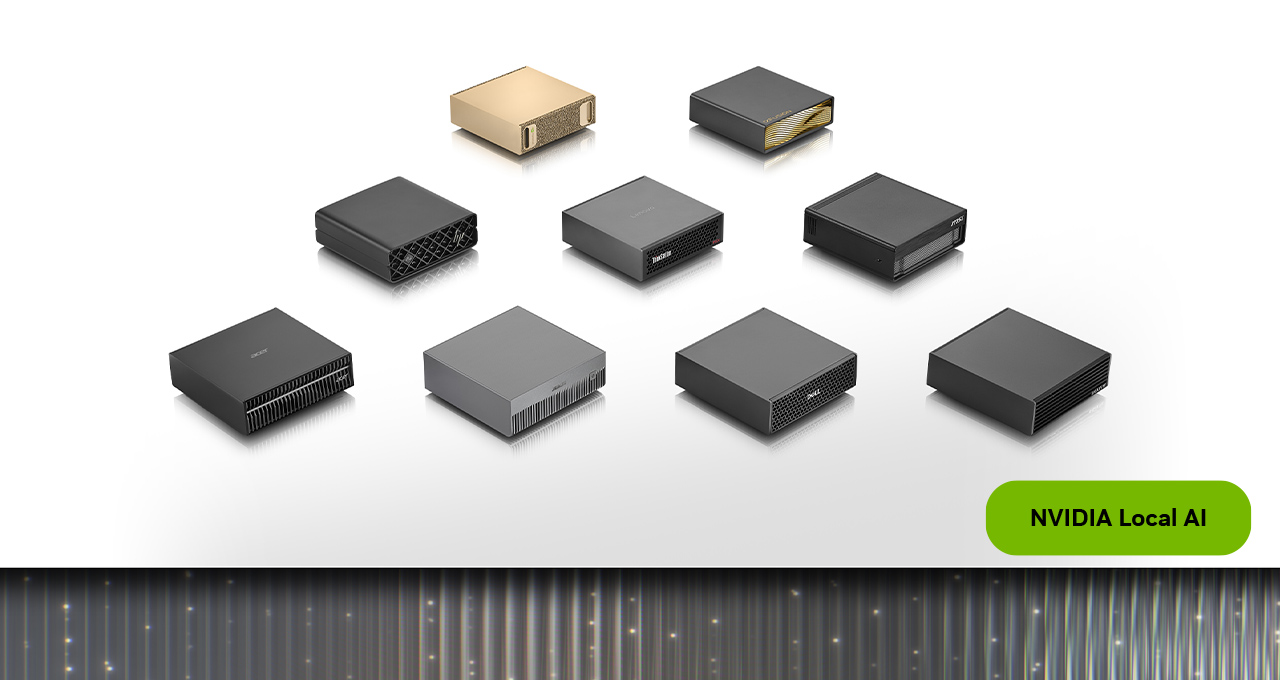
NVIDIA has announced the launch of DGX Spark, an advanced personal AI supercomputer featuring 64GB of unified memory. This system will enable developers and researchers to run local models efficiently, eliminating the need for cloud dependency. DGX Spark combines cutting-edge technologies such as the Grace Blackwell processor and unified memory, providing a comprehensive platform for agent development and AI. Users can now experiment with their models using their own data without relying on cloud resources.
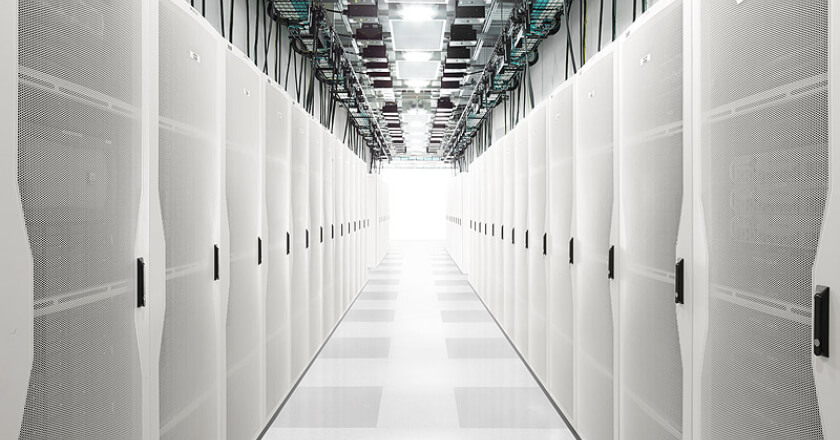
Cisco has announced the expansion of its Secure AI Factory in partnership with NVIDIA through a collaboration with Supermicro. This initiative aims to enhance AI infrastructure for enterprises and sovereign clouds, with Jeetu Patel, Cisco's President of Product, stating that this expansion comes at a time of significant datacenter buildouts globally. Cisco seeks to provide an integrated and easy-to-deploy infrastructure, allowing customers to manage complex AI clusters alongside non-AI workloads. This includes Supermicro's liquid and air-cooled systems, enabling customers to maximize value from every watt of energy consumed.
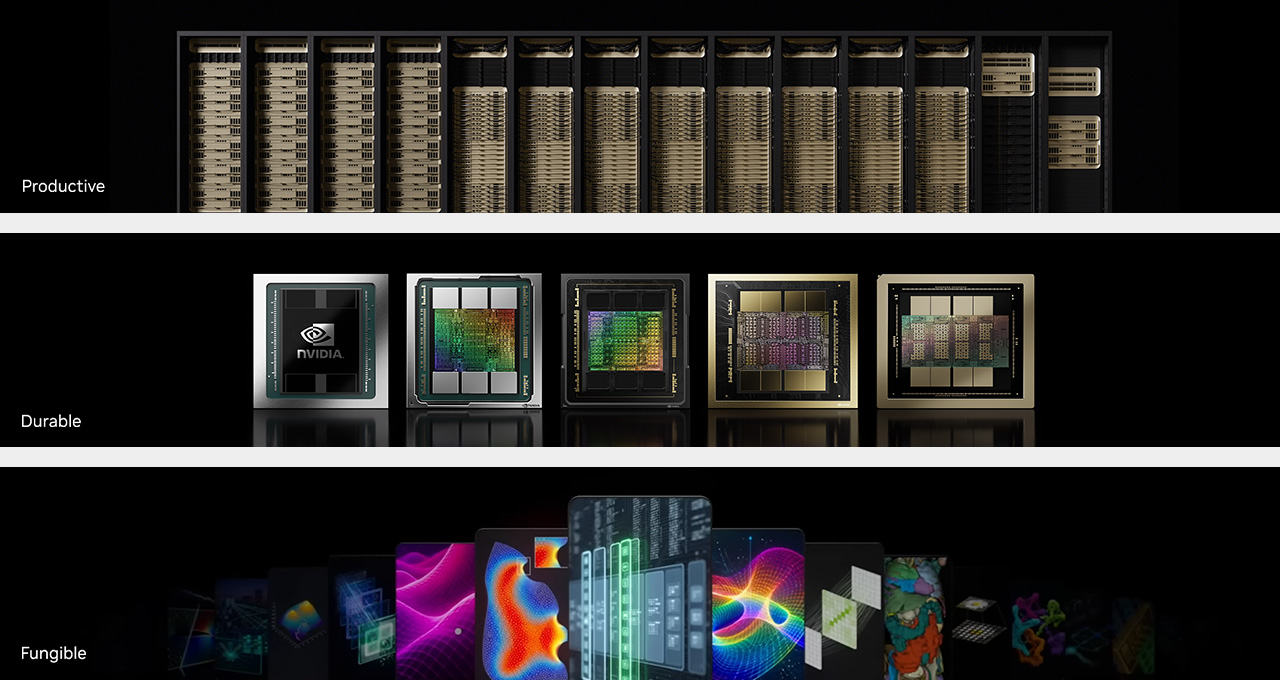
AI factories are built by the megawatt, with each factory costing around $60 million. The returns from these factories depend on three key factors: earning capacity, useful life, and demand. High earning capacity is meaningless if sales are low, and high demand is irrelevant if production stops early. NVIDIA's factories exemplify how to maximize returns, being productive, durable, and capable of handling various workloads. These features ensure that the factories can continue earning for many years, enhancing returns. Engineering co-design across all components boosts factory productivity.
Huawei Digital Power has launched the AIDC 1.0 solution for smart data centers, aiming to integrate power, cooling, and construction into a coordinated system. This solution was presented at the Huawei AIDC Facility Summit in Shanghai, alongside new products like UPS, energy storage, and liquid cooling. The AIDC 1.0 solution features grid-friendly UPS, intelligent lithium batteries, and energy storage systems that help stabilize the grid. Huawei's vice president, Bob He, describes the evolution of data centers in three stages: adapting to the grid, supporting it, and ultimately forming it.
At the Fully Connected event in San Francisco, CoreWeave announced the availability of NVIDIA Vera Rubin NVL72 systems with Spectrum-X 102.4T Ethernet networking. Cognition, the AI lab, is the first customer to run production workloads on these systems. CoreWeave also launched CoreWeave Forge, a connected environment for training, evaluating, and improving models and agents on NVIDIA accelerated computing.
At TechCrunch Disrupt 2026, Andrew Feldman, CEO and co-founder of Cerebras Systems, will discuss the increasing demand for compute, energy, and infrastructure. Feldman will explore how Cerebras is uniquely addressing these constraints, showcasing innovative strategies in technology. He will also highlight the challenges the AI industry faces as the need for computing resources escalates. This discussion will significantly impact the future of computing, addressing what may happen if current hardware reaches its limits. This is particularly relevant for decision-makers in the tech sector.
Google is preparing to send a small batch of AI chips into space to test their performance under space conditions. The prototype for Project Suncatcher is set to launch aboard SpaceX’s Transporter-18 mission, as stated by Travis Beals, Google’s director. The company will monitor how the chips handle radiation, launch vibrations, and the challenges of heat dissipation in a vacuum.
Estimates from SemiAnalysis indicate that ByteDance accounts for about 20% of China's data center capacity, making it the largest tenant in the country. The firm tracks over 1,000 facilities in China operated by more than 60 companies, with ByteDance renting nearly all of its data center footprint. This growth reflects ByteDance's role as a key driver in China's AI development, with products like Doubao, an intelligent assistant that enhances its capabilities in this field.
The company has secured significant funding from Third Point and Nvidia, which will aid in expanding its AI data center capabilities. This funding aims to enhance the company's data processing abilities and improve performance in AI projects, highlighting the critical nature of investing in AI infrastructure. This development suggests that the company will be better positioned to compete in the growing AI market, potentially unlocking new avenues for innovation and growth in the sector.
Google's Suncatcher project aims to operate AI data centers in orbit using solar power. An experimental satellite, the size of a fridge, is set to launch on a SpaceX Falcon 9 rocket on October 1. The challenges are significant, as it would take approximately 10,000 satellites to match a single 1-gigawatt data center on Earth. Jeff Bezos believes it could take 20 years for orbital data centers to surpass ground-based ones in cost.
Huawei introduced the OceanStor M900 storage system at HUAWEI CONNECT 2026 in Shanghai on September 17, designed specifically for AI inference rather than as another accelerator card. The system features a multi-tier KV-cache memory, allowing a single cluster to reach 64 PB of capacity, enhancing memory reuse per network processing unit (NPU). This solution offers a comprehensive compute-network-storage product for shared context memory, reducing access latency by 90% and increasing bandwidth to 40 TB/s, making it an attractive option for large-scale AI applications.
Inspur Information introduced the MetaBrain SD200 Ultra AI server at the 2026 Artificial Intelligence Computing Conference, highlighting its capability to handle trillion-parameter workloads. The server integrates 128 domestic AI chips, features 8 TB of unified-address accelerator memory, and 64 TB of host memory, enabling it to run Moonshot AI's Kimi K3 model with 2.8 trillion parameters and a latency under 5.85 milliseconds. Additionally, Inspur claims that AllReduce time improves by about 3.5 times compared to previous methods, significantly enhancing inference performance.
Alibaba's T-Head chip design unit unveiled the Zhenwu V900 at the 2026 Apsara Conference in Hangzhou. This new accelerator boasts approximately three times the performance of the Zhenwu M890, featuring 216 GB of memory and 1,200 GB/s of inter-chip bandwidth. The chip supports multiple data precisions, making it suitable for both high-precision training and low-precision inference. Its larger memory aims to reduce data movement overhead, facilitating the operation of over 1,000 cards in a unified manner.
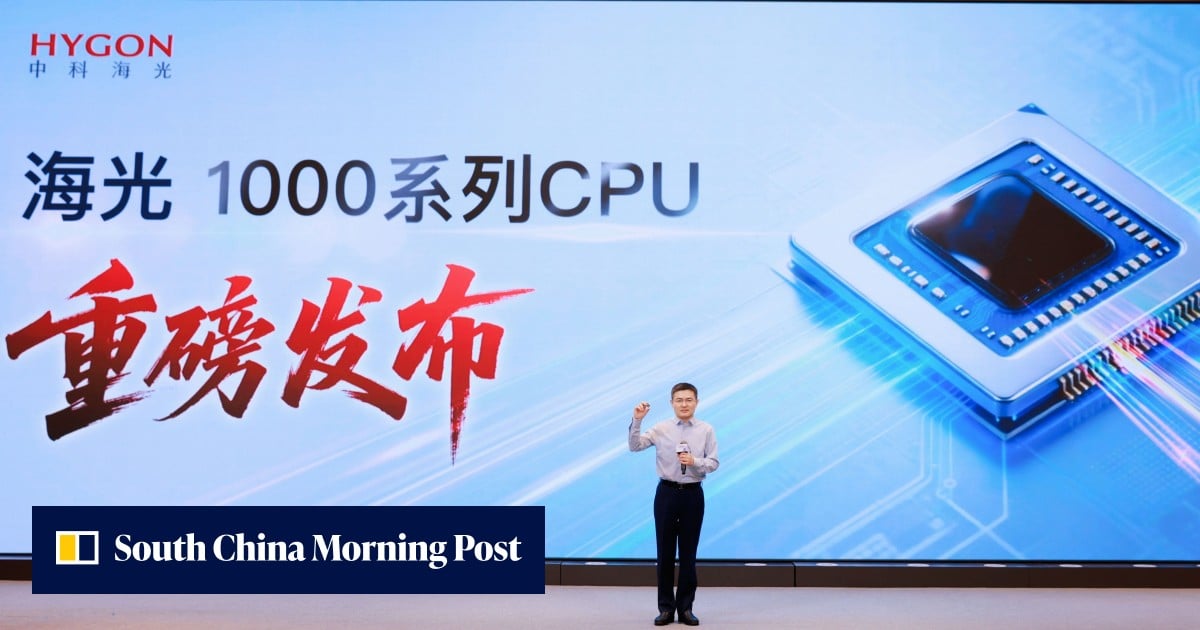
On Tuesday, Hygon Information Technology launched a suite of central processing units (CPUs) for robotics and industrial edge devices, marking its expansion into the growing market for physical artificial intelligence. The new Hygon 1000 series processors are designed to be embedded in physical devices within industrial automation systems, such as robotics and factory controllers. These processors enable local computing and graphics processing, enhancing operational efficiency.
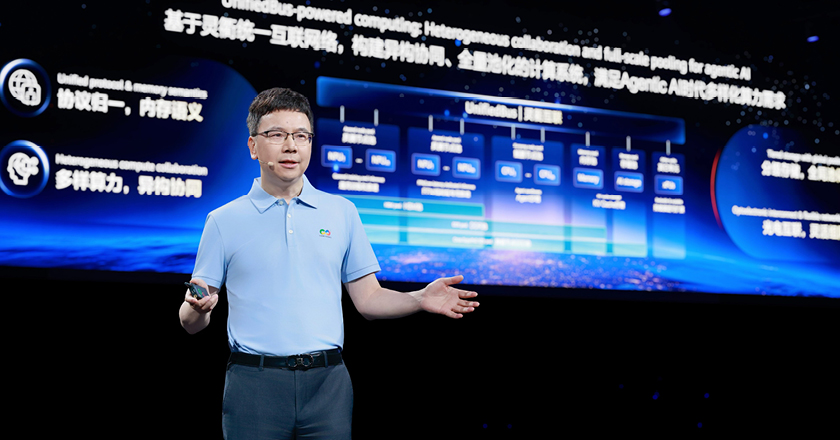
Huawei, led by Yang Chaobin, announced new AI technologies at Huawei Connect 2026 in Shanghai. These include the Atlas 960E, the industry's first NPO-based SuperPoD, and the Hi-ONE optical engine. The company also confirmed progress on its Ascend 960 AI chip development, aiming for an annual chip release cycle. These advancements come as investment in AI accelerates in the Middle East, with governments and businesses shifting from experimentation to large-scale deployment. This transition demands higher computing capacity and energy efficiency, as foundation models approach 10 trillion parameters, with expectations to exceed 100 trillion by 2030.
Alibaba Cloud and T-Head presented an upgraded supernode server stack at the 2026 Apsara Conference, integrating the Zhenwu V900 AI accelerator with other components. This new design aims for comprehensive coordination between compute, network, and storage rather than focusing solely on the accelerator. The supernode servers feature 216 GB of memory and a chip-to-chip interconnect speed of 1,200 GB/s, offering about three times the performance of the Zhenwu M890. Mass production is expected to begin in Q1 2027, enhancing Alibaba Cloud's ability to provide integrated solutions in the market.
Submer, a provider of AI and high-performance computing infrastructure, has announced a collaboration agreement with Intel covering AI infrastructure and HPC solutions across the Middle East, Africa, and Türkiye. Intel will provide compute platforms and validated reference architectures, while Submer will contribute its full-stack engineering capabilities. This partnership aims to support customers through a unified engineering path, facilitating the transition from design to deployment.
Hygon Information Technology is set to unveil a new iteration of its CPU1000-series processors in Shenzhen on September 22, expanding its product line to include hardware for physical AI applications. Pre-event coverage indicates that these processors will target low-power, embedded, and edge computing for robotics and machine vision, addressing the rising demand for local inference and control. This launch is positioned as a strategic move to reduce reliance on cloud computing.
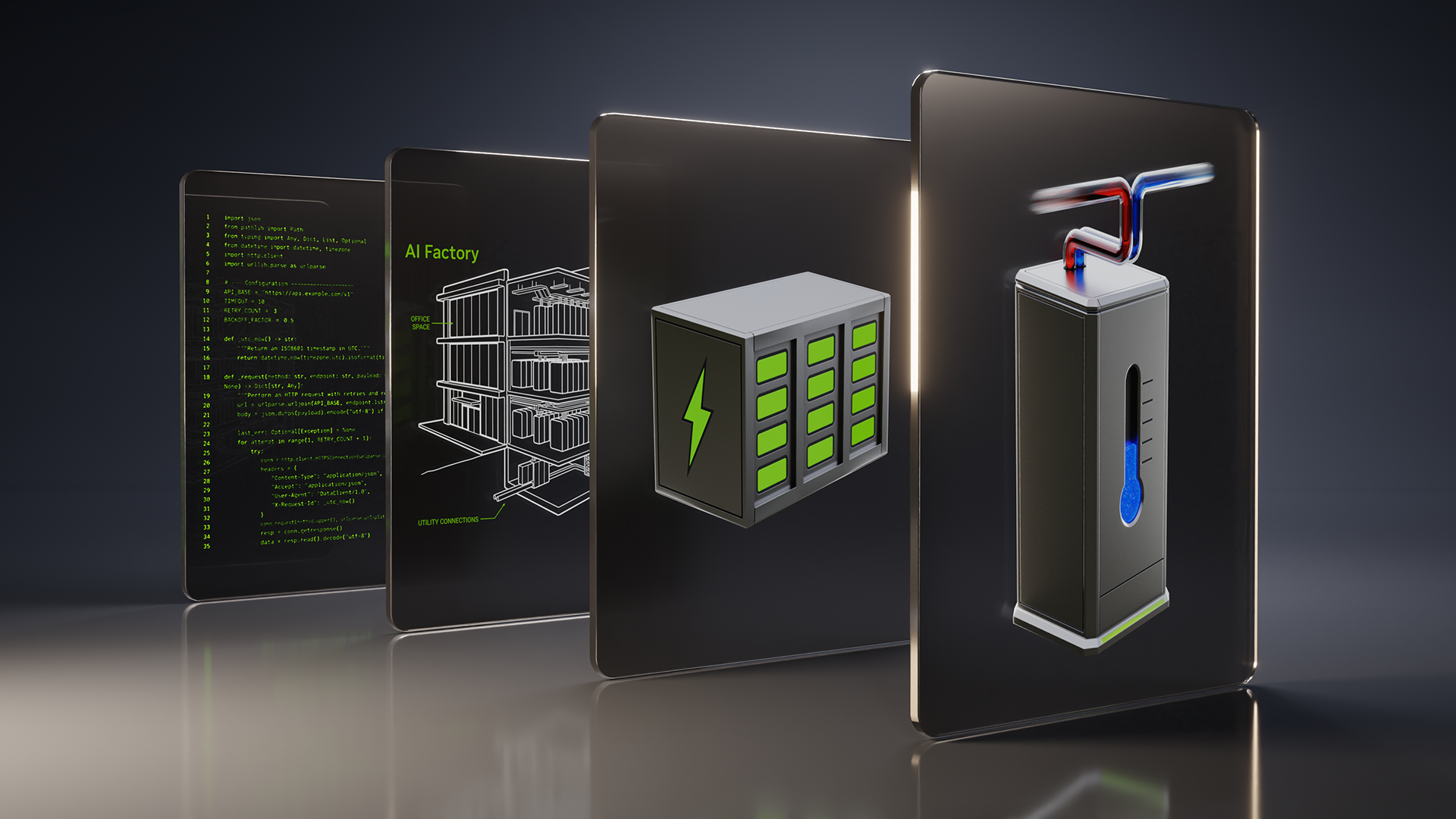
NVIDIA has announced the launch of the DSX Ready program, aimed at qualifying products and solutions that meet smart factory design requirements. The program initially includes two categories: battery energy storage systems and cooling distribution units, helping builders evaluate offerings with greater confidence. The DSX Ready program unifies smart factory design and operations across compute, networking, power, and cooling. This integrated system view is crucial as optimizing one part of the factory can create bottlenecks elsewhere, necessitating suppliers to provide comprehensive solutions.
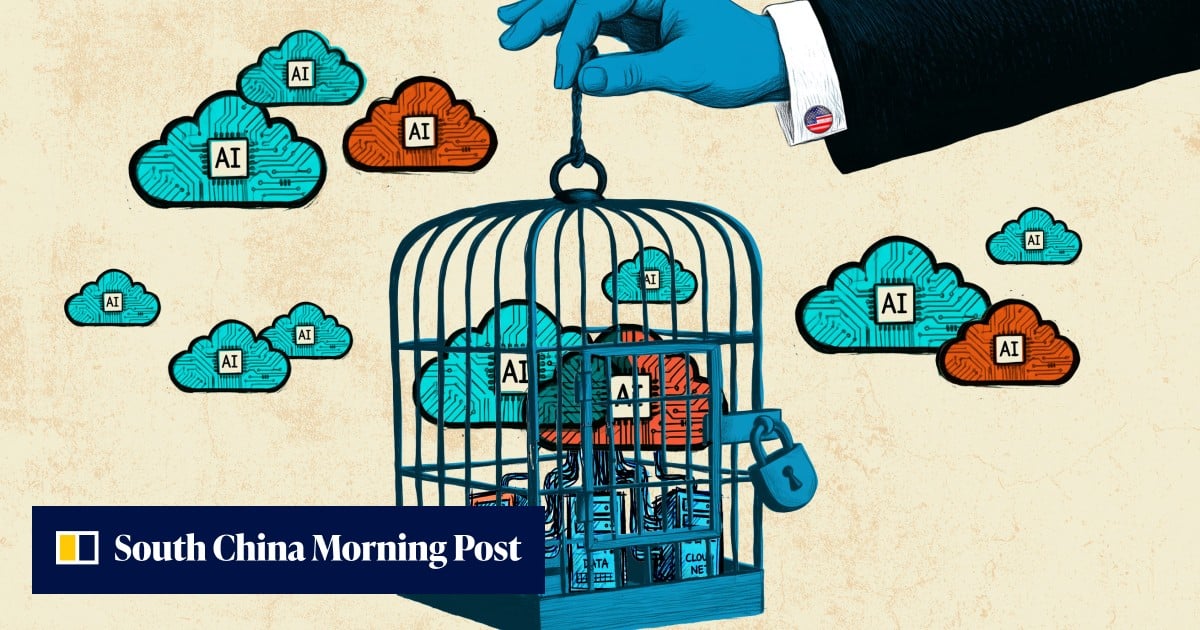
Chinese AI developers face a significant hurdle as they cannot legally purchase the world's most powerful AI chips. Despite this, major tech firms and startups have managed to keep pace with global competitors through unconventional methods. These methods involve moving heavy training workloads across borders via the cloud, with domestic companies establishing proxy entities in foreign jurisdictions. This strategy has allowed them to continue developing their models despite imposed restrictions.