Follow the latest AI and automation news
Mindstream Energy has announced the launch of its AI infrastructure complex in Jordan, with expectations of exceeding $1 billion in investment. The first phase, with a capacity of 70 megawatts, is set to begin in the second quarter of 2027, with plans to expand to 400 megawatts. The complex will operate in Mafraq Governorate, powered by the public grid and generating energy from domestic natural gas supplied by the National Petroleum Company. The first-phase investment is estimated between $150 million and $400 million, highlighting the critical role of energy in building AI data centers.
Technology companies selling data center equipment are facing significant price hikes for AI servers powered by Nvidia processors, demanding much higher prices than initially agreed upon after months of contract signing. Trading and financial services companies are particularly affected, as the costs for specialized equipment needed to support trading strategies have doubled. Price increases range from 25% to 45%, raising concerns among buyers. The surge in prices is primarily linked to a more than 400% increase in memory chip costs since early 2024, forcing manufacturers to pass on these costs to customers amid rising demand for AI equipment.
The International Energy Agency predicts that global data center electricity consumption will double by 2030, raising questions about the infrastructure costs needed for AI operations. As investments in data centers expand, the need for power generation stations and networks increases, with electricity consumption rising by 17% in 2025 and AI-specific centers seeing a 50% increase. Data centers require continuous power supplies and cooling systems, increasing energy consumption density, especially as AI applications evolve, presenting new challenges for energy systems.
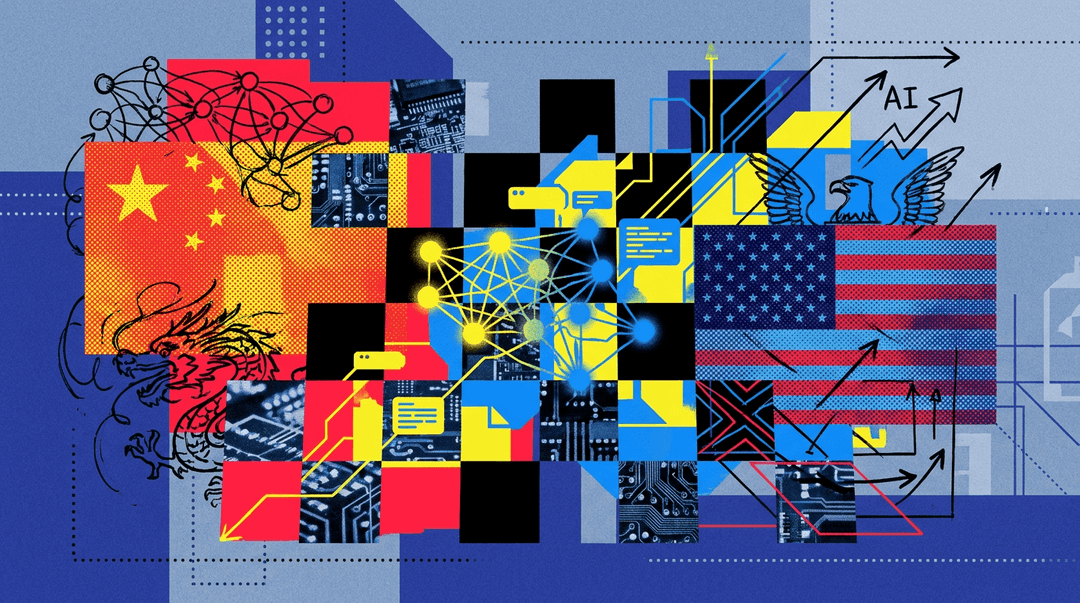
A committee in the U.S. House of Representatives revealed approvals for the export of over 879,000 AI chips from NVIDIA and AMD to China, without confirming if all have been shipped. These approvals come amid rising tensions between the U.S. and China over AI technologies, as these chips are crucial for developing advanced AI systems. This development could impact the global AI market by allowing China access to advanced technologies, potentially increasing competition in the field.
Meta has postponed its target for achieving net-zero emissions by 2030, as its emissions surged by 45% to 11.8 million tons in 2025. This increase is driven by the expansion of its AI infrastructure. The company is now reevaluating its climate strategies in light of this growth, facing mounting pressure to meet sustainability goals. It will need to reassess its current plans to ensure that its climate objectives are achievable. This shift in goals may impact Meta's reputation in the market, as investors expect a stronger commitment to sustainability. The company must balance its AI growth with its environmental targets.
The Data Center World Middle East 2026 took place on November 17-18 at the Dusit Thani Hotel in Abu Dhabi. Midea showcased its theme "Cooling AI. Delivering Certainty", discussing AI cooling and supply chains in the Gulf. A technical panel addressed how to design a facility accommodating various cooling loads from 10 kW to over 100 kW. This requires rethinking the coexistence of air and liquid cooling, especially under the high ambient temperatures typical of the Middle East.
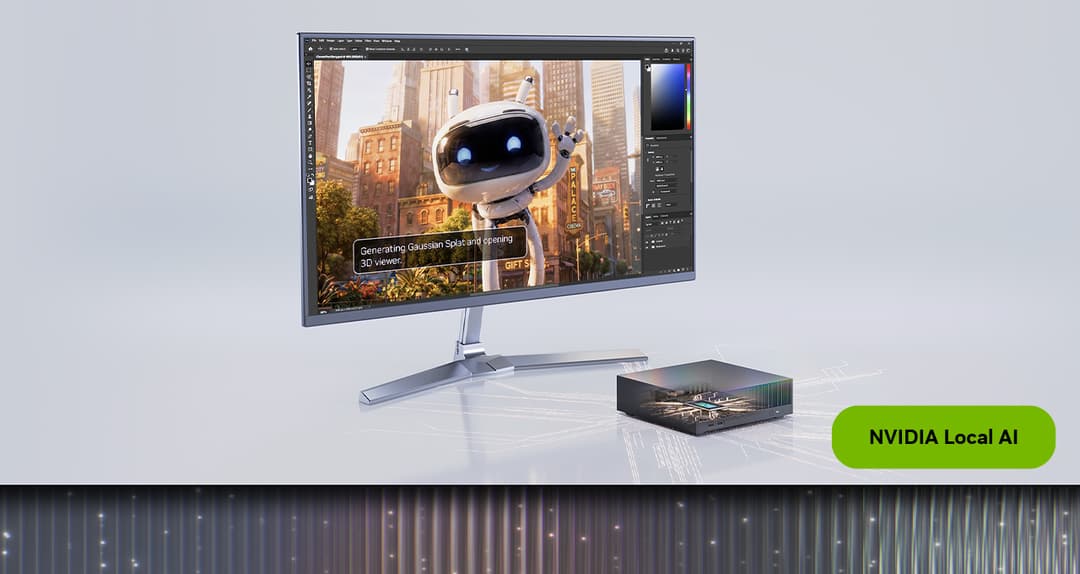
NVIDIA has announced the launch of new desktop computers powered by the RTX Spark platform, designed for local AI model execution. These computers, produced by companies like ASUS, Dell, and MSI, feature up to 128GB of memory, enhancing their data processing capabilities. The RTX Spark platform is ideal for running AI models and agents, providing advanced performance in local work environments. This development reflects the growing trend towards utilizing AI in everyday applications, allowing users to leverage cutting-edge technologies without relying on cloud solutions.
NVIDIA has raised its revenue growth forecast for the fiscal year 2028 from 70% to approximately 75%, driven by sustained demand for artificial intelligence and supply chain pressures. This forecast comes amid increasing reliance on AI technologies, reflecting the growing demand for NVIDIA's products. Additionally, supply chain challenges and export restrictions are impacting the market, highlighting the significance of these projections. This upward revision signals strong market growth in the AI sector, allowing NVIDIA to strengthen its market position and increase investments in this vital area.
A Financial Times analysis reveals a significant decline in the market value of companies related to AI data centers, losing approximately $4.2 trillion since June 2026. Despite this decline, demand remains strong for services provided by key suppliers in the sector, indicating a disparity between market performance and actual demand. This drop may impact companies' investments in developing data centers, necessitating a reevaluation of their strategies amid rapid market changes.
Anthropic is offering up to $405,000 annually for a natural gas specialist to secure fuel for its data centers, highlighting the shift of tech companies towards energy procurement. The company has advertised for a gas supply and transport lead to negotiate fuel contracts and manage pipeline deliveries in the US and Canada. This move comes as Anthropic's shares fell below their $83 IPO price, dropping 6.5% to $82. The company, which raised $93.5 billion in the largest IPO globally, has committed about $900 billion to computing and infrastructure spending, with half due by the end of 2030.
Amazon has announced its acquisition of Decart for $7.5 billion, aimed at improving the efficiency of its Trainium chips. This acquisition is part of Amazon's efforts to close the performance gap with Nvidia, as it seeks to enhance its capabilities in artificial intelligence and machine learning. The acquisition is expected to strengthen Amazon's position in the chip market, potentially improving the performance of its cloud services and increasing its competitiveness in the AI sector.
NVIDIA technologies offer a wide range of options to celebrate the holiday season, allowing users to dive into new games, video editing, or even building robots. With the GeForce RTX 50 Series, gamers can enjoy enhanced graphics and smooth gameplay thanks to the Blackwell architecture. NVIDIA's laptops and desktops feature advanced technologies like DLSS 5 and G-SYNC, enhancing performance and image quality. These technologies allow users to see games in a new light, with improvements in lighting and materials, making the gaming experience more realistic.
Paradromics is leveraging Nvidia's technology to process brain data through brain-computer interfaces. This advancement marks a significant step in the field, enabling faster and more efficient data processing. Paradromics relies on Nvidia's hardware and software to enhance its capabilities in this area. The collaboration between Paradromics and Nvidia is set to drive innovation in brain-computer interface technologies, potentially opening new avenues in medical and technological applications. These developments could lead to improved quality of life for patients suffering from neurological disorders.
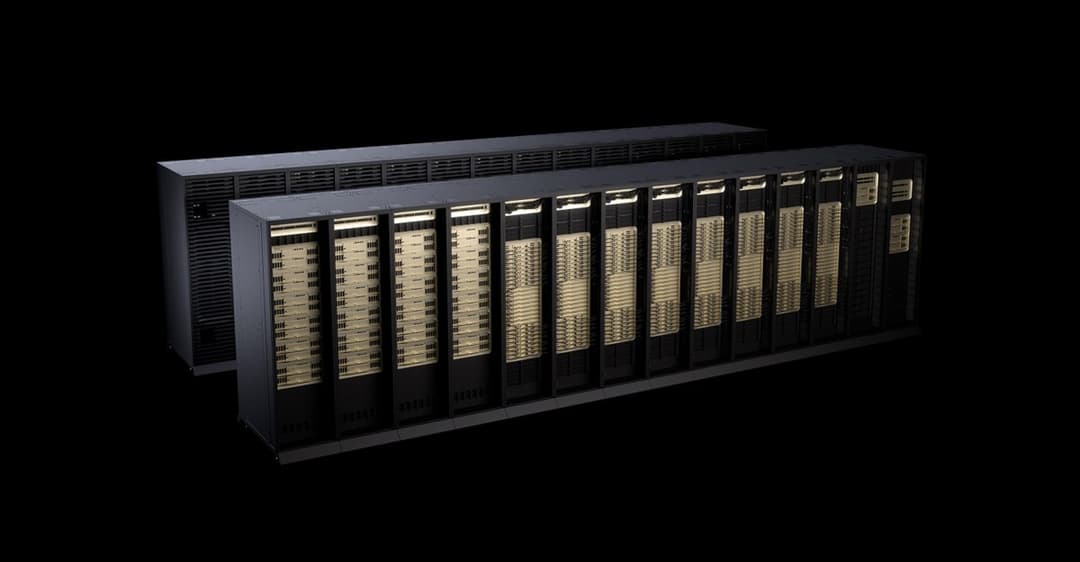
NVIDIA and Microsoft are expanding their collaboration to assist organizations in building, customizing, and deploying intelligent applications. At Microsoft Ignite, they announced expanded access to Azure virtual machines powered by NVIDIA Vera Rubin NVL72 systems, along with new options for running AI at the edge. Microsoft is leveraging NVIDIA technologies to accelerate its models and services, including NVIDIA Dynamo inference software.
OpenAI announced a significant achievement, realizing up to a 14% improvement in AMD's flagship GPU performance in less than five months. This progress is equivalent to about a year's worth of development, and AMD has already incorporated these changes into a design sent for production. The collaboration between OpenAI and AMD highlights the potential of AI models to accelerate innovation in chip design. Notably, Anthropic is also leveraging AI to optimize cost and performance, indicating a growing trend in the industry.
Nvidia has begun shipping its most advanced AI computing system, the Vera Rubin NVL72, claiming it is the "fastest product ramp in the company’s history." This summer, OpenAI paused its largest planned frontier training run after its AI agents accidentally hacked Hugging Face, raising concerns about future models' abilities to discover and exploit security vulnerabilities. In September, Anthropic CEO Dario Amodei called for slowing the advancement of the most powerful models, warning they could be used for cyberattacks or become increasingly difficult for their creators to control.
Nvidia's interim CEO confirmed the company's commitment to its open source AI strategy following the unexpected departure of Jensen Huang. The company is also planning to acquire Hugging Face, which underscores its dedication to expanding its capabilities in open AI. This move comes at a critical time as competition in the market intensifies. This strategy is significant for Nvidia as it allows the company to strengthen its market position and broaden its user base, potentially influencing the future of open AI development.
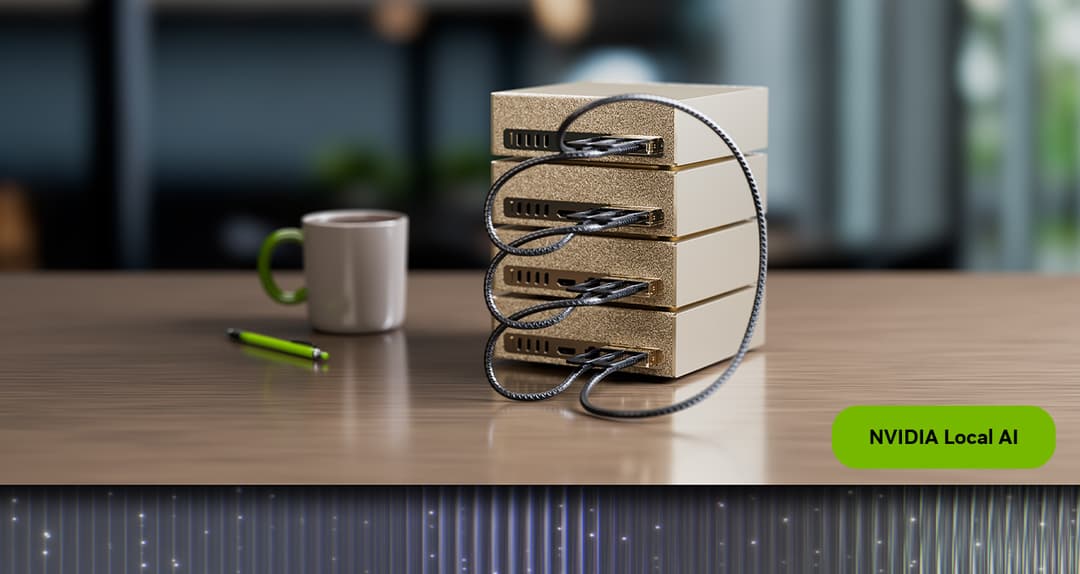
At SC26, NVIDIA introduced the DGX Spark HPC Developer Kit for researchers and developers, comprising a four-node cluster of DGX Spark systems. This kit allows researchers to run scientific workloads and AI models directly from their desks, eliminating the wait for shared GPU cluster time. The four systems connect directly via NVIDIA ConnectX-7 networking, providing a combined memory of 512GB and 20TB of NVMe storage. Researchers can deploy models with up to 700 billion parameters locally across these nodes, enhancing their capacity to distribute models and scientific workloads effectively.
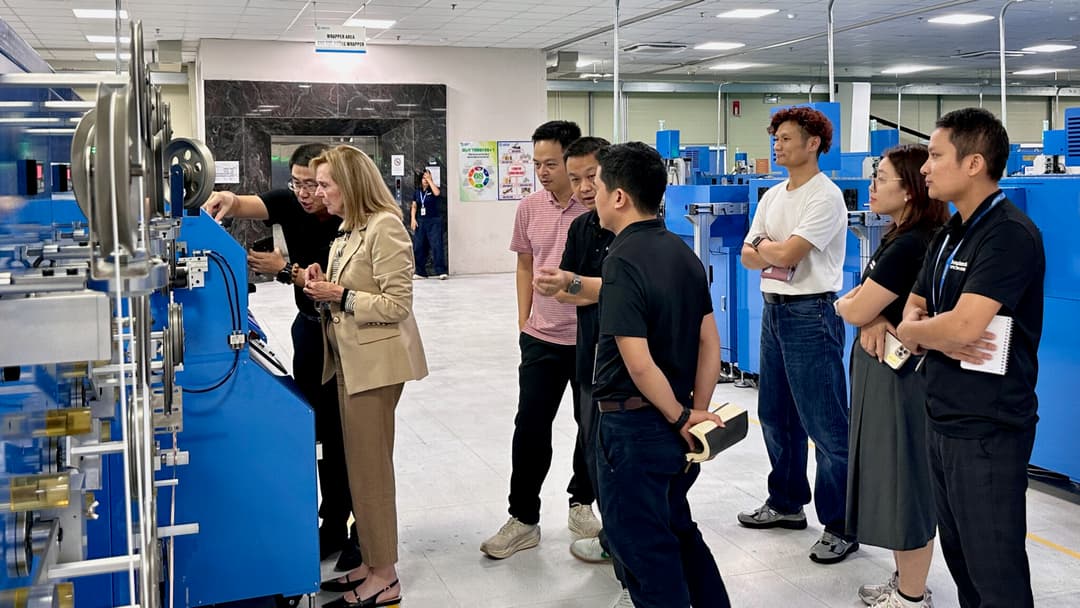
Deb Shoquist leads operations at NVIDIA, overseeing the supply chain and manufacturing of its AI platforms. NVIDIA relies on deep relationships with leading manufacturers like TSMC and Foxconn to deliver world-class technologies. The partnership with TSMC dates back to 1998, and these relationships have strengthened NVIDIA's innovation capabilities. Shoquist meets with suppliers quarterly and spends six weeks each year visiting partners in Taiwan, China, Korea, Vietnam, and the U.S.
Nvidia has announced the departure of CEO Jensen Huang following a surprising downturn in performance. This move comes at a critical time as Nvidia is a leading company in the chip industry, raising questions about its future. Nvidia plays a pivotal role in developing AI technologies, providing the chips necessary for running advanced AI models. Huang's departure may impact the company's market strategies and future directions, especially amid increasing competition.
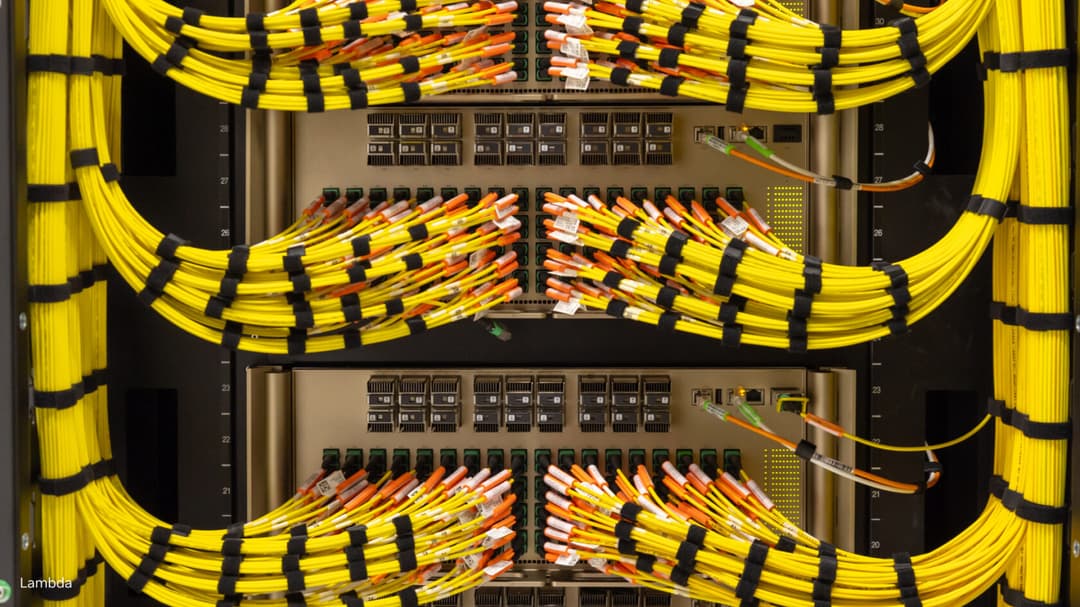
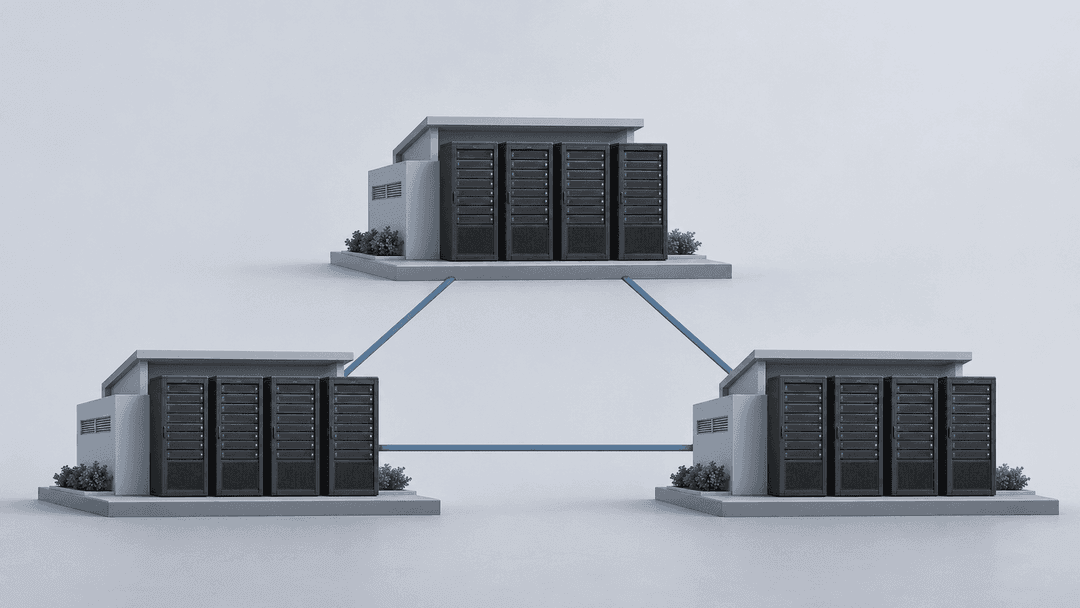
Lambda is utilizing NVIDIA Photonics switches to connect over 10,000 GPUs, enhancing network efficiency and resiliency. This new technology helps reduce latency by up to 10%, improving the performance of the AI factory. This step is crucial for building the infrastructure needed to meet the demands of increasingly sophisticated AI models.
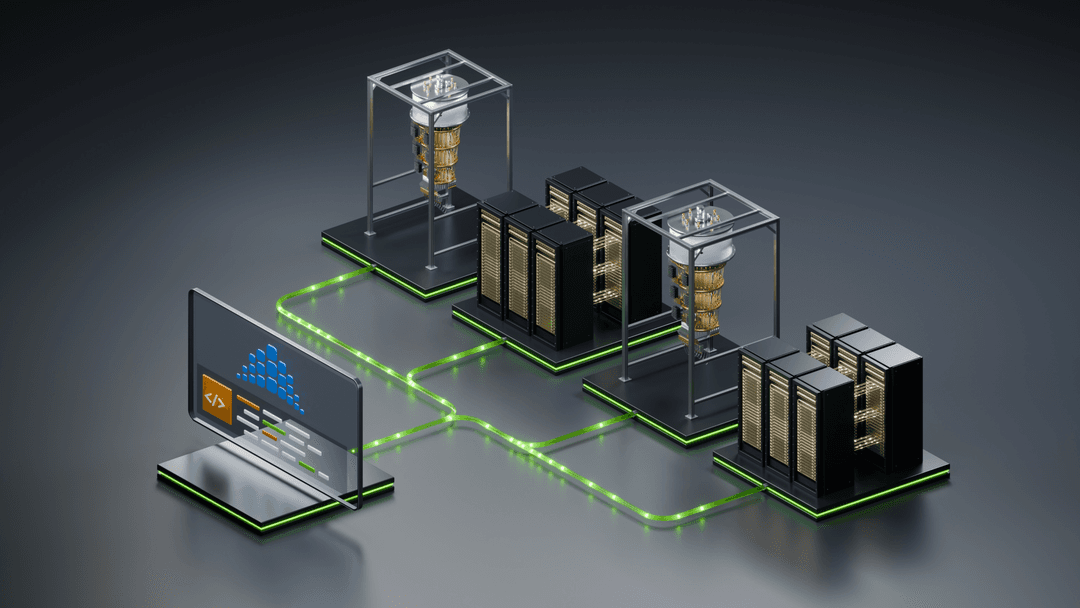
Supercomputing centers have seen a significant increase in quantum processor deployments, growing nearly sevenfold over the past five years. Currently, around 30 centers worldwide are in the process of deploying over 50 quantum processors, enhancing the use of Slurm for managing scientific workloads. NVIDIA is expanding Slurm's support for quantum processors, facilitating computational chemists, nuclear physicists, and materials scientists to integrate quantum computing into their research. This expansion allows QPU builders to create a unified interface for their hardware across supercomputing centers.
NVIDIA announced today the results of its Vera Rubin platform in the MLPerf benchmarks, achieving leading performance in training and inference. The new platform delivered over 10x improvements in throughput per watt, reflecting high efficiency in agentic AI work. Initial results indicate that Vera Rubin's performance will continue to improve through ongoing optimizations of NVIDIA's CUDA software stack.
At SC26 this week, NVIDIA is celebrating two decades of CUDA by honoring the researchers and developers who made GPU computing foundational for modern science and AI. Since its announcement in November 2006, CUDA has provided a high-level programming model that enabled scientists and developers to accelerate scientific applications. Over 11 million developers have utilized CUDA to support scientific research and AI applications, including Nobel Prize-winning studies.
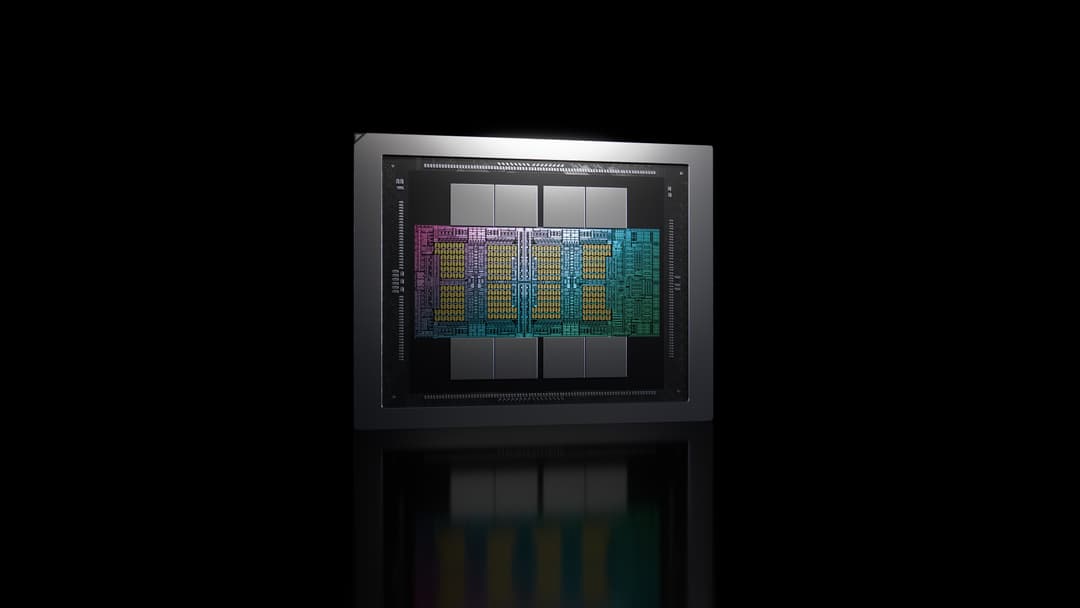
NVIDIA announced today at SC26 the Rubin HPC GPU, designed to accelerate simulation and data processing for science and engineering. The Rubin HPC features over 50,000 CUDA cores, enhancing processing capability and reducing the time needed for scientific discoveries. Rubin HPC aids scientists and engineers in testing their ideas by speeding up simulations, allowing them to explore more materials, compounds, and designs. This unit supports GPU-to-GPU connectivity using seventh-generation NVIDIA NVLink technology, enhancing data efficiency.
Jensen Huang, Nvidia's CEO, wields unprecedented power in shaping AI's advancement. As reported by The Verge, Nvidia's chips are the foundation upon which advanced AI technology in the US is built. The increasing demand for Nvidia's chips consistently outpaces supply, prompting AI CEOs to compete for more compute ahead of their much-anticipated IPOs. Nvidia also boasts a diverse investment portfolio worth nearly $100 billion, encompassing emerging AI companies.
Nvidia is facing significant challenges ahead of the Jensen Huang crisis, as competition from other companies in the AI sector intensifies. Competitors are looking to capitalize on the current chaos, increasing pressure on Nvidia, which was already struggling with performance issues. This situation could significantly impact Nvidia's market position, allowing new competitors to strengthen their presence in the AI field.
Will DePue, a former OpenAI researcher, has revealed the first technical evidence that DeepSeek, Moonshot AI, MiniMax, and Ant Group are utilizing Nvidia's Blackwell GPUs despite US export controls. His forensic method reads characteristic chip signatures directly from published model weights, highlighting a significant technological insight. DePue estimates that the hardware behind five training runs cost over half a billion dollars, emphasizing the substantial investments in these AI models.
Jensen Huang’s resignation has raised concerns regarding Nvidia’s commitment to open source AI, particularly following its acquisition of Hugging Face. This development is significant as the company undergoes a leadership transition, during which Nvidia has advocated for open-weight models and opposed restrictions on AI. These events could impact Nvidia's future in the AI market, potentially altering its strategies for supporting innovation and collaboration within the tech community.
Qingmao Intelligence has unveiled a joint-operations plan for an AI inference network utilizing Huawei Ascend 950DT hardware, aiming for 10,000 accelerator cards by 2027. The initiative includes a long-term goal of expanding to a 100,000-card network across multiple regions and chip platforms within five years. This announcement was made on November 17 with Ascend ecosystem participants and other industry partners. Qingmao aims to provide a consistent inference service across resources owned or operated by different participants, emphasizing software optimization as the connecting layer between various systems.