International experts convened in Dubai to discuss how AI and geopolitical shifts are reshaping cybersecurity risks. The focus on critical infrastructure protection matters as Gulf states accelerate digital transformation and face growing cyber exposure across energy, finance and government systems.
A new survey shows China's public adopting AI at a significantly faster rate than Americans, with less hesitation about the technology's role in daily life. For Gulf executives watching the global AI race, the data underscores how cultural confidence can accelerate deployment and competitive advantage.
GlobalSource:CNN Business ArabicRead the full story
Law firm Cooley introduced GO Public, a ChatGPT-powered tool that helps lawyers spot issues earlier and analyze data faster during initial public offerings. The platform signals how professional services are embedding AI to cut timelines and risk, relevant as Gulf markets pursue IPO growth and capital market depth.
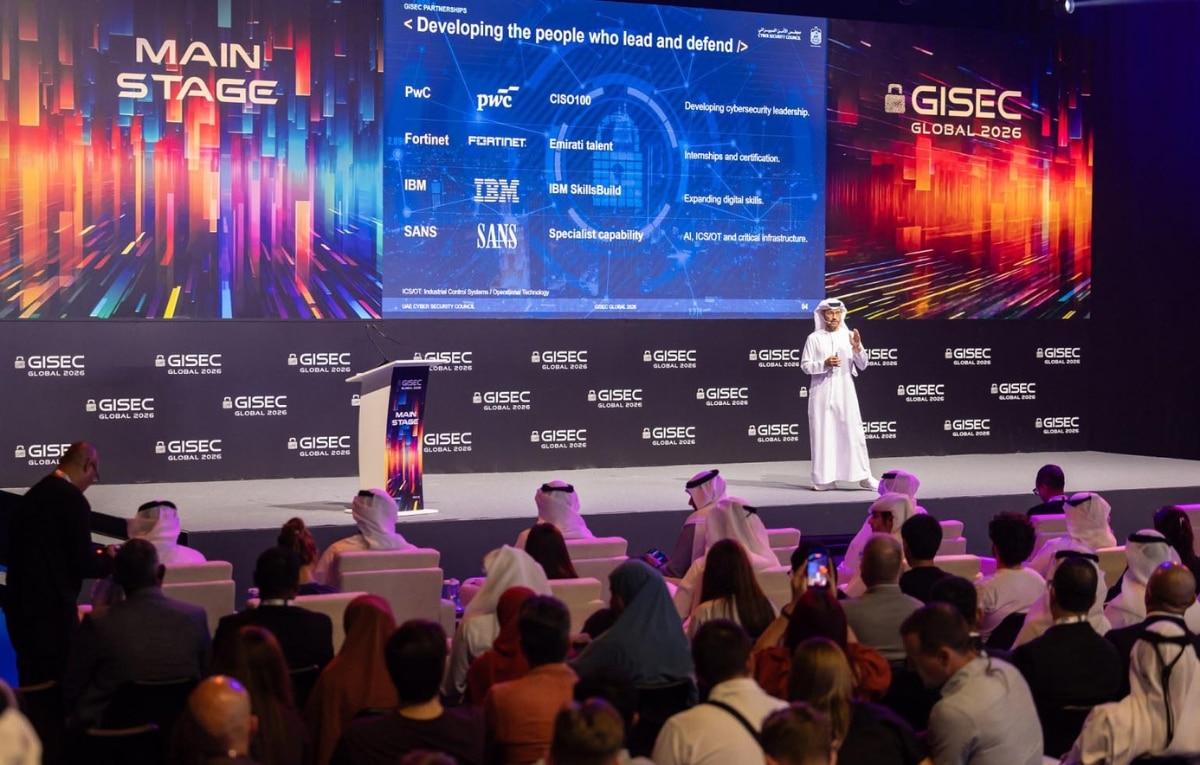
Anomali will present its Autonomous SOC and threat intelligence platforms at GISEC Global, running September 16-18 in Dubai. The company's focus on governed AI for security operations reflects the Gulf's need for scalable defenses as attack surfaces expand with cloud adoption and digital infrastructure growth.
Napster announced it will build AI-driven educational tools designed to enhance how students learn and access information. The brand reinvention into education technology illustrates how legacy platforms are pivoting to AI, a trend Gulf investors and educators should monitor as digital learning expands regionally.
 UAE
UAE Global
 Global
 Gulf
Gulf Global